
The Context
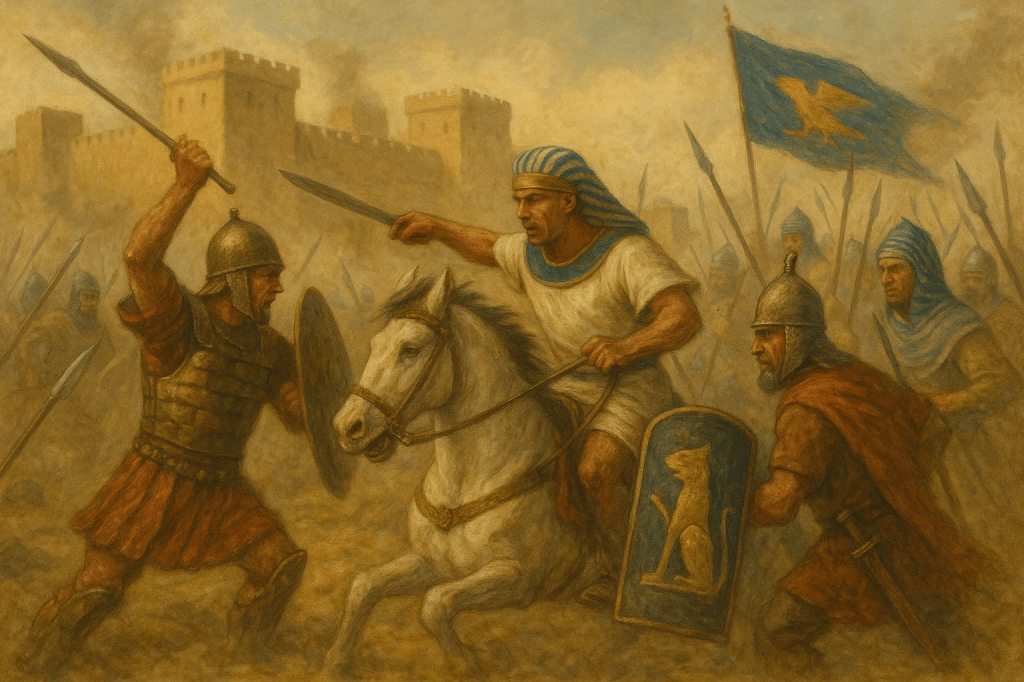
Cambyses II, a Persian monarch who reigned from 530 to 522 BCE, holds a significant place in history as a pivotal figure in the Achaemenid Empire, established by his illustrious father, Cyrus the Great. One of his most remarkable feats was the conquest of Egypt in 525 BCE, where he decisively vanquished Egyptian forces and established Persian dominion over the land, designating it as a satrapy of the Achaemenid Empire. In addition to this triumph, Cambyses II conducted military expeditions into various regions, including Nubia (contemporary Sudan), where he strategically secured vital trade routes and expanded the territorial expanse of the Achaemenid Empire.
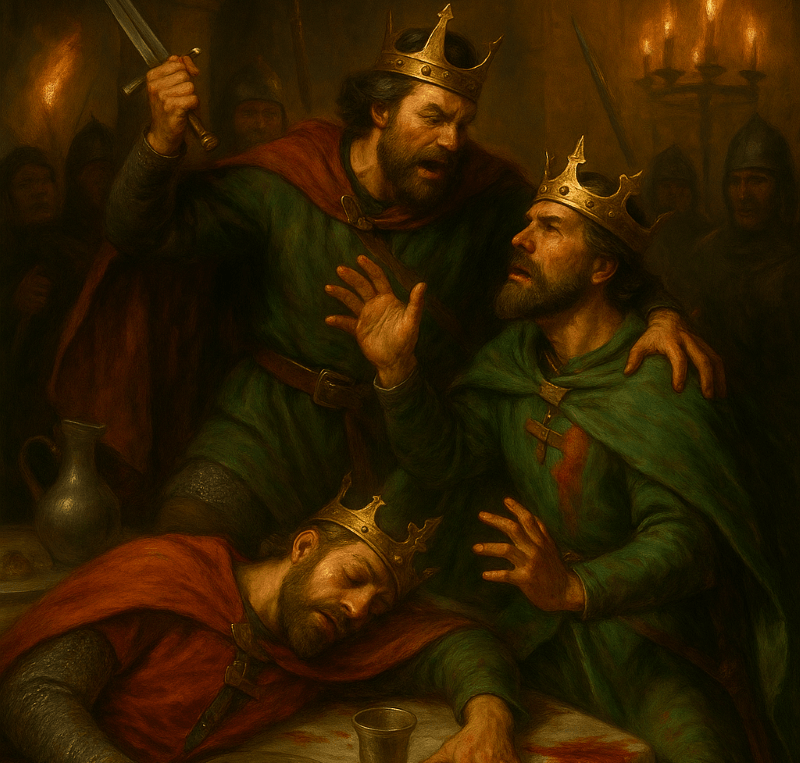
His military campaigns and the adversities he encountered during his reign are also noteworthy aspects of his rule. His passing in 522 BCE remains shrouded in uncertainty, with various historical accounts and legends surrounding his demise, including a narrative suggesting he accidentally impaled himself with a sword. Subsequent to his death, the Achaemenid Empire experienced a pivotal shift in leadership, with his younger brother, Bardiya (also known as Smerdis), briefly assuming the throne before being deposed by Darius I, a loyal member of the king’s personal guard. This transition marked a critical juncture in the empire’s history.
The Expedition
Cambyses II launched an ambitious military campaign to conquer Egypt in 525 BCE. He successfully defeated the Egyptian forces and took control of the country. However, his rule in Egypt was marked by unrest and resistance. He faced opposition from the Egyptian priesthood and encountered difficulties related to governance and control of the region.
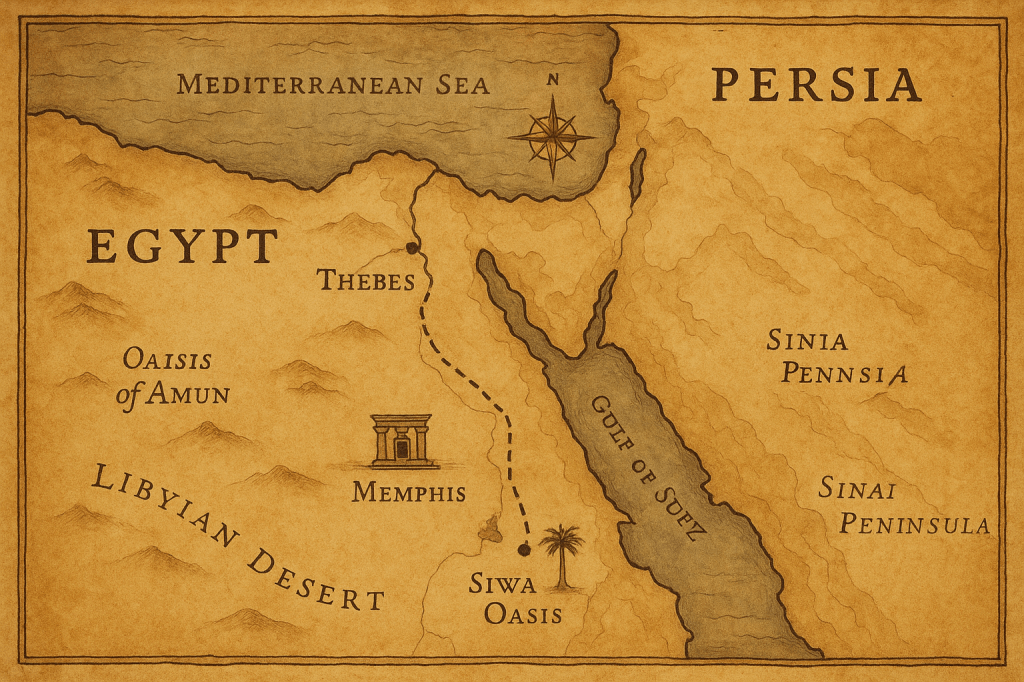
Historical accounts suggest that Cambyses II dispatched a large military force into the Egyptian desert in 524 BC, estimated to number around 50,000 soldiers. The primary objective of this expedition was to subdue an Egyptian faction led by the “Ammonians” or the Oracle of Amun at Siwa Oasis. Siwa Oasis is located in the western desert of Egypt, near the border with Libya. This was a significant force, reflecting the importance of the campaign in his efforts to secure control over Egypt.
The army simply disappeared without a trace.

The primary historical accounts of this event come from ancient historians and travellers, including Herodotus, who wrote about the mysterious fate of the lost army in his “Histories”:
As for those who were sent to march against the Ammonians, they set out and journeyed from Thebes with guides; and it is known that they came to the city of Oasis, inhabited by Samians said to be of the Aeschrionian tribe, seven days’ march from Thebes across sandy desert; this place is called, in the Greek language, Islands of the Blest.
— Herodotus, The Histories 3.26.1-3
Thus far, it is said, the army came; after that, except for the Ammonians themselves and those who heard from them, no man can say anything of them; for they neither reached the Ammonians nor returned back.
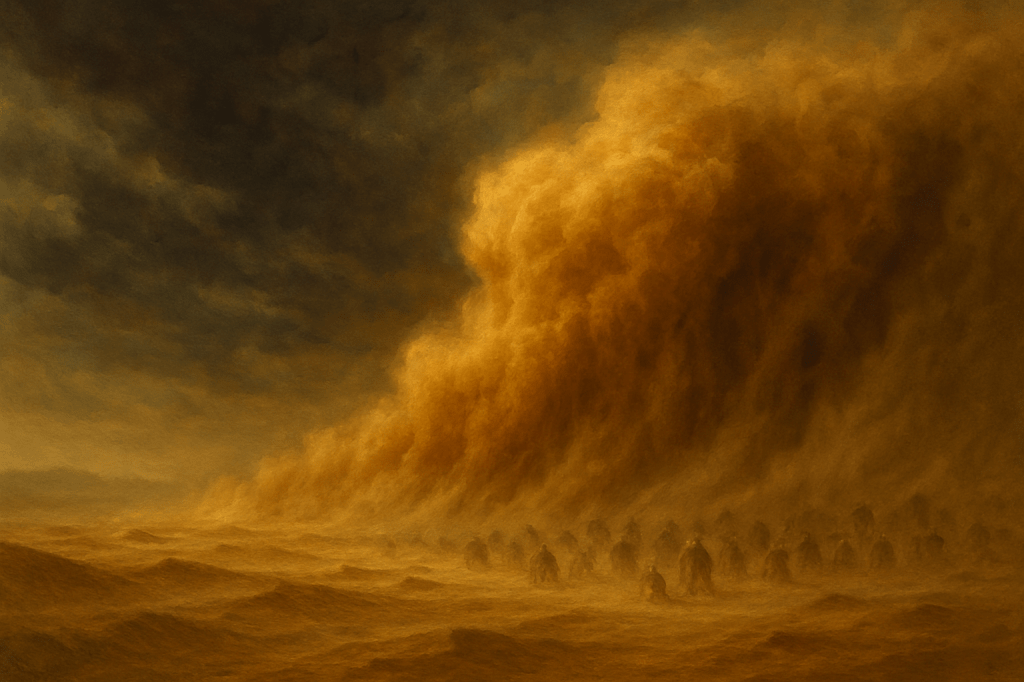
But this is what the Ammonians themselves say: when the Persians were crossing the sand from Oasis to attack them, and were about midway between their country and Oasis, while they were breakfasting a great and violent south wind arose, which buried them in the masses of sand which it bore; and so they disappeared from sight.
What Really Happened?
While regarded by many Egyptologists as apocryphal, the search for the vanished soldiers has persisted over the years. Numerous theories have emerged to account for the disappearance of the army. Some propose natural disasters like sandstorms or catastrophic sirocco winds as the cause, while others suggest the soldiers may have fallen victim to hostile desert tribes or simply lost their way in the harsh, unforgiving terrain.
Renowned figures, including Count László Almásy (whose life inspired “The English Patient” novel) and modern geologist Tom Brown, have joined the quest for their remains. In January 1933, Orde Wingate undertook an unsuccessful search in the Western Desert of Egypt, then referred to as the Libyan Desert.
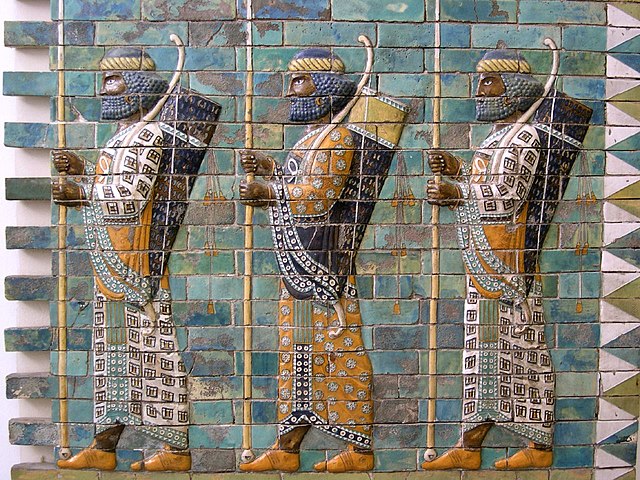
In 1983-84, a collaborative expedition involving National Geographic, Harvard University, the Egyptian Geological Survey and Mining Authority, and the Ligabue Research Institute explored a remote 100-square-kilometre region along the Egyptian-Libyan border, south-west of the uninhabited Bahariya Oasis, approximately 160 kilometres south-east of Siwa (Amon) Oasis. Their efforts yielded no artefacts but revealed around 500 burial mounds. Subsequent analysis of bone fragments indicated that these remains were roughly a millennium older than those of the lost army.
In 2009, Italian brothers Angelo and Alfredo Castiglioni claimed to have found evidence suggesting that the army had been engulfed by the sands. In the depths of the desert, they uncovered Persian artifacts and, more significantly, a mass grave containing hundreds of bleached bones. It’s worth noting that the Castiglioni brothers’ archaeological credibility has faced scrutiny, as they have refrained from publishing their findings in peer-reviewed journals and have primarily presented their discoveries through unchecked documentaries. Zahi Hawass, the Secretary General of the Egyptian Supreme Council of Antiquities, denounced the media reports of their discovery as “unfounded and misleading.”
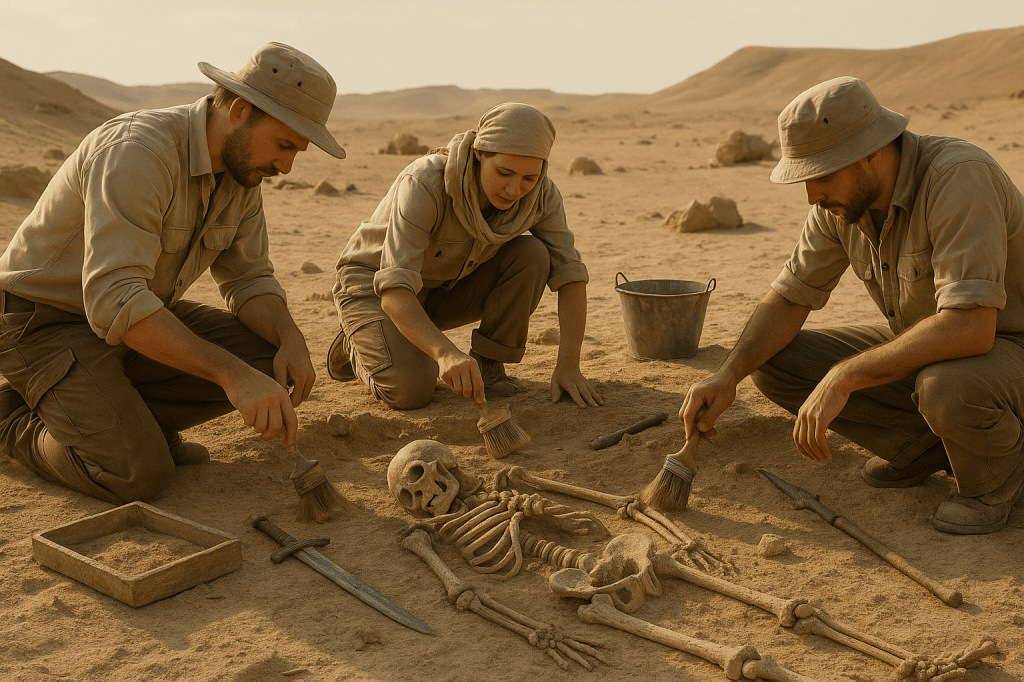
As a result of excavations at the Dakhla Oasis in 2015, Olaf E. Kaper from the University of Leiden proposed an alternative theory, suggesting that the Lost Army was not obliterated by a sandstorm but rather ambushed and defeated by a rebel Egyptian pharaoh, Petubastis III. According to Kaper, Petubastis was later defeated by Cambyses’ successor, Darius the Great, who purportedly fabricated the sandstorm narrative to erase Petubastis and his rebellion from Egyptian memory.
As a result, the fate of Cambyses’ army remains a mystery. Historians and researchers continue to be captivated by this enigma, and ongoing debates and investigations offer no conclusive answers in sight.


 The Past World

Leave a comment